The U.S. Buys Into Intel: Finally Leveling the Playing Field, or Playing with Fire?
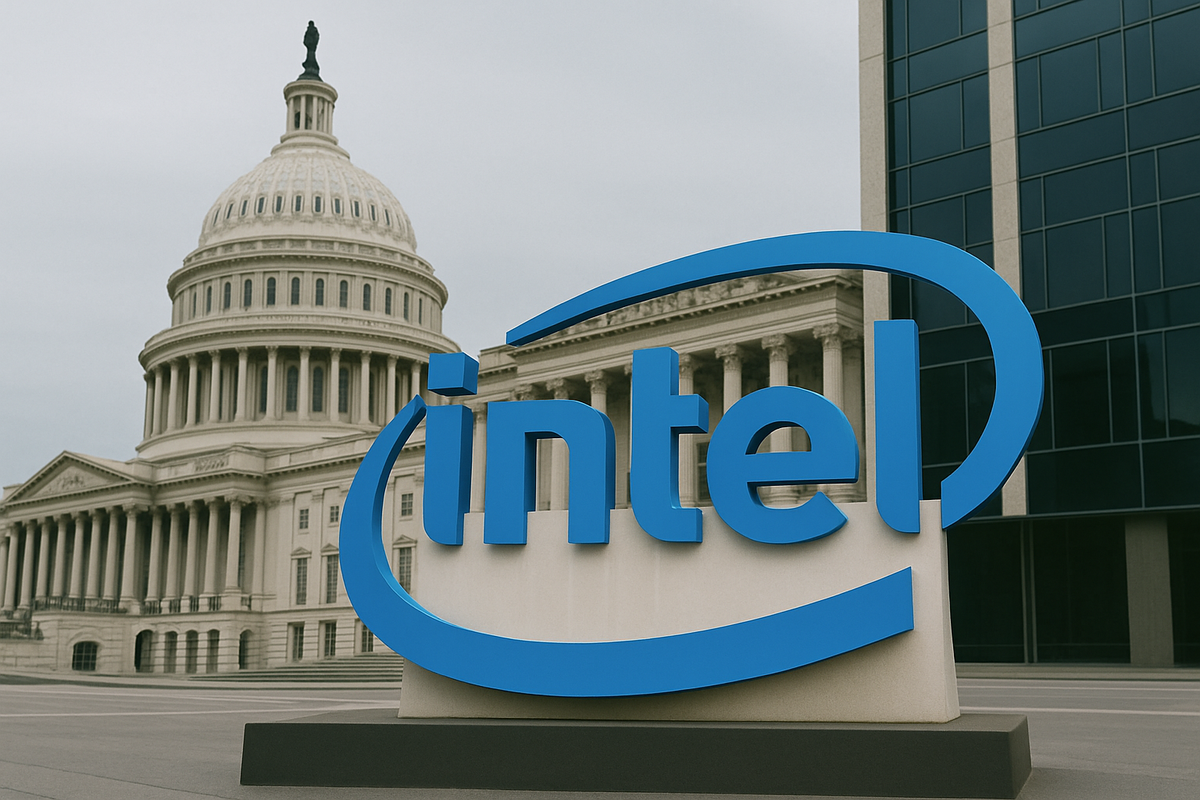
A government stake may be justifiable in the semiconductor industry, where foreign rivals are backed by their states—but America shouldn’t make a habit of corporate ownership.
The U.S. government’s decision to take a 10% equity stake in Intel isn’t just unusual—it’s historic. Washington almost never takes direct ownership in major corporations. But in semiconductors, the rules of the game have always been stacked against U.S. companies.
Look at Taiwan and South Korea: TSMC and Samsung thrive under massive state support, from subsidies to strategic coordination. Meanwhile, American chipmakers are told to compete in a “free market” while their foreign rivals effectively compete with governments behind them. In that context, Washington buying into Intel feels less like socialism and more like finally leveling the playing field.
The upside? Taxpayers get equity instead of just footing the bill for subsidies. Intel gets the firepower to build fabs at home, and America gets a stronger hand in securing its supply chain—something that’s not just economic policy but national security.
The risk? Government stakes in private enterprise should not become a pattern we’re eager to repeat. America is strongest when businesses innovate free of political interference. We don’t want Washington holding slices of airlines, carmakers, or tech firms every time an industry falters. But in chips—where the battlefield is global, strategic, and existential—this exception may be the right call.
So, is it bold or reckless? Probably both. But if there’s one sector where bending the rules is justified, it’s the one powering everything from your iPhone to the Pentagon.
More on this